Featured
Student Loan Debt Forgiveness Solutions Things To Know Be...
The Main Principles Of Ways to Get Started with the Debt ...
Some Known Factual Statements About Prevalent False Belie...
Documents You'll Need for Bankruptcy Counseling Things To Know Before You Buy
Table of Contents
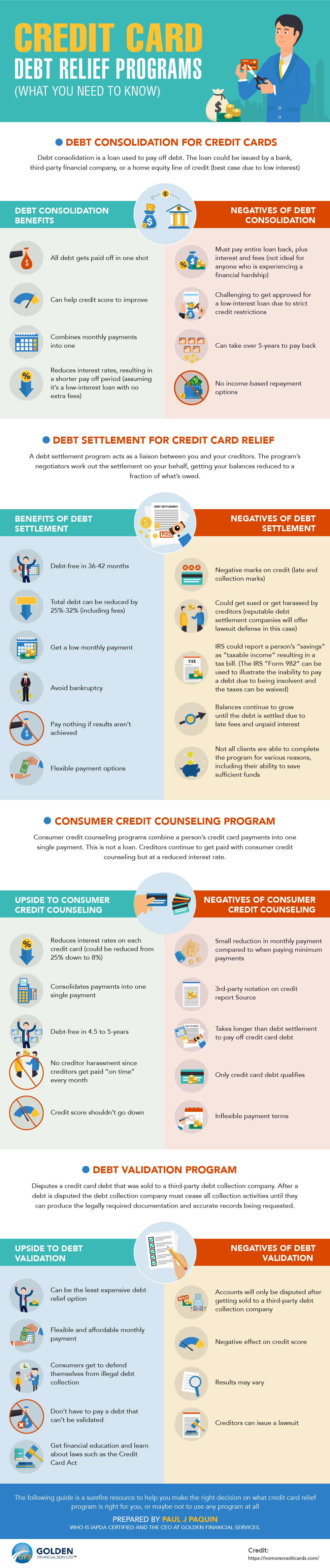
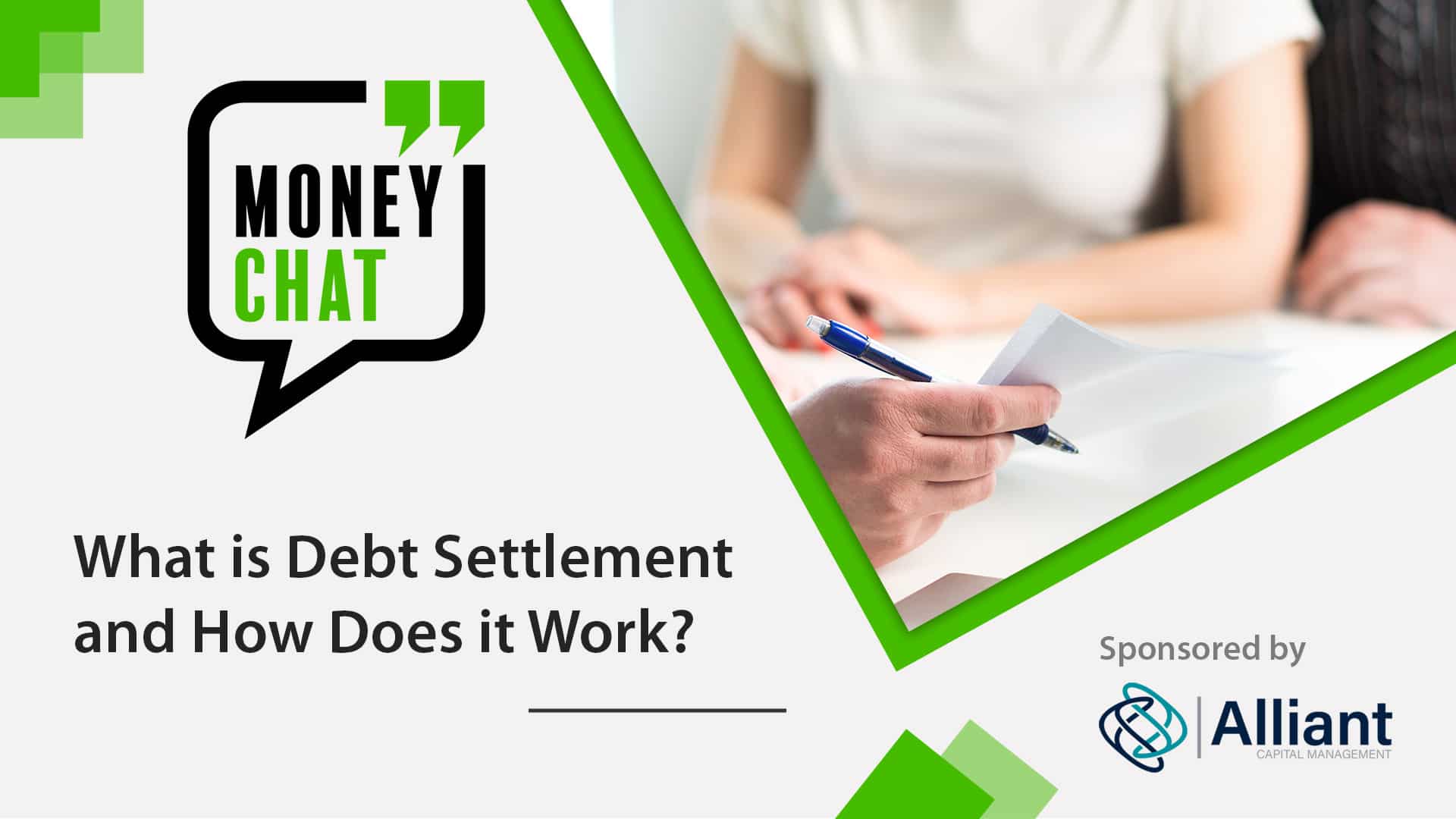
That releases up cash in the brief term, and you may have three to 4 years to conserve towards the negotiation quantity. Very damaging to credit rating, mostly because of missed out on payments and an unfavorable "cleared up" mark that can remain on your credit history record for up to 7 yearsMay be just option if other choices (financial debt combination, equilibrium transfer bank card, financial obligation forgiveness) aren't possibleTypically calls for a cost to the 3rd party, which can balance out some or all of the financial savings from financial debt settlementMay assist you prevent insolvency if you have actually missed out on a number of paymentsNot all creditors function with financial debt settlement firms Financial obligation forgiveness might be ideal for you if you are experiencing a monetary hardship that makes it nearly impossible to pay for your debt equilibriums.
With a DMP, you make one monthly repayment to the credit score therapy agency. Those funds are after that distributed to financial institutions of your unsafe financial obligations, such as charge card and installment loans. The firm works with your financial institutions to minimize rates of interest or waive fees, but some financial institutions may decline such concessions.
It can aid you pay down financial obligation if you're able to safeguard a car loan rate that's lower than the average rate of the accounts you're combining. You need to avoid from racking up financial obligation on those recently gotten rid of accounts or your financial obligation could grow even greater.
These cards usually supply a 0% interest introductory period of approximately 21 months. That offers you lots of time to eliminate or dramatically lower your equilibrium while making interest-free settlements. For some people dealing with impossible financial debt, bankruptcy may be the only means to quit collection process and legally resolve their financial obligations.
The Best Strategy To Use For The Benefits and Cons When Considering Bankruptcy
You may need it if your creditor or a collection agency ever before tries to collect on the financial obligation in the future. When a lending institution forgives $600 or more, they are required to send you Kind 1099-C.
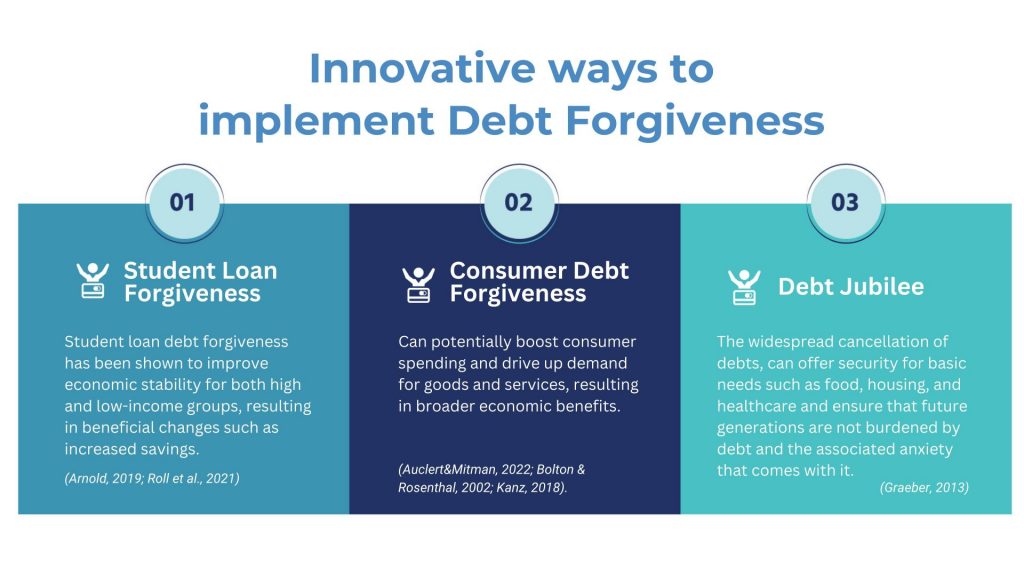
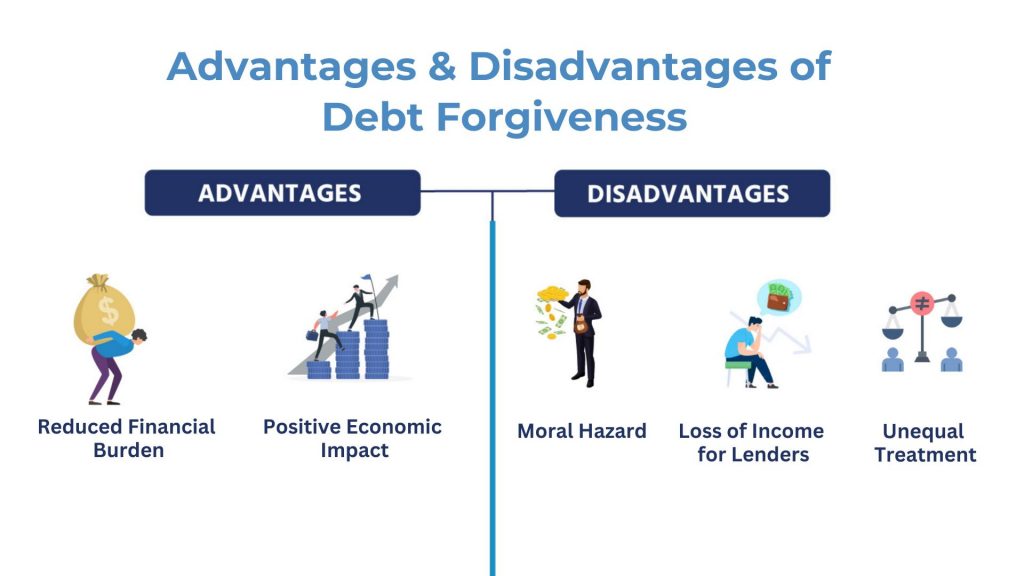
Debt mercy or settlement often harms your credit history. Anytime you resolve a financial debt for much less than you owe, it may appear as "settled" on your credit rating record and influence your credit report for seven years from the day of settlement. Your credit scores can also go down considerably in the months causing the forgiveness if you drop behind on settlements.
Rumored Buzz on What to Watch For While Choosing Debt Relief Services
Tax obligation financial debt compromise programs Tax financial obligation takes place when the quantity of taxes you owe surpasses what you have paid. This circumstance usually arises from underreporting earnings, not filing returns on time, or discrepancies located throughout an internal revenue service audit. The consequences of accumulating tax financial debt are severe and can consist of tax obligation liens, which give the IRS a legal case to your building as protection for the financial debt.
Greater rates of interest on available credit. Salaries and Financial institution Accounts IRS can levy (seize) earnings and bank accounts to satisfy the financial obligation. Decreased earnings and interruption of vital economic processes. Home Seizure In severe cases, the internal revenue service can seize and market property to cover the financial debt. Loss of beneficial possessions and prospective variation.
Clinical depression, anxiousness, and other psychological health and wellness concerns. Social Stigma Encountering lawsuit from the internal revenue service can carry social stigma. Damages to credibility and relationships. Work Opportunities An inadequate debt rating because of tax financial debt can limit employment possibility. Trouble finding or maintaining a job. Federal government Benefits Tax obligation debt might affect eligibility for federal government advantages, such as Social Safety And Security and Medicaid.
Some Known Questions About Avoiding Future Debt Problems After Why Community.
The OIC takes into consideration several aspects, including the taxpayer's income, costs, property equity, and capability to pay. Effectively negotiating an OIC can be complex, needing a detailed understanding of the internal revenue service's guidelines and a strong disagreement for why your deal aligns with your capability to pay. It is very important to note that not all applications are accepted, and the process needs in-depth economic disclosure.
The IRS assesses your general monetary scenario, including your revenue, expenditures, possession equity, and capability to pay. You must also be current with all filing and payment needs and not remain in an open personal bankruptcy case. The IRS also considers your conformity history, evaluating whether you have a record of timely declaring and paying taxes in previous years.
Some Known Details About "Debt Forgiveness Is a Failure" and More Lies
The application procedure for an Offer in Compromise includes a number of thorough actions. You should finish and submit Internal revenue service Kind 656, the Deal in Compromise application, and Kind 433-A (OIC), a collection information statement for individuals. These kinds require detailed monetary details, consisting of details about your revenue, financial debts, expenses, and properties.
Back tax obligations, which are overdue taxes from previous years, can significantly increase your total internal revenue service financial debt otherwise dealt with promptly. This debt can accumulate rate of interest and late payment fines, making the initial amount owed a lot bigger in time. Failing to pay back tax obligations can lead to the IRS taking enforcement actions, such as releasing a tax lien or levy against your residential or commercial property.
It is necessary to resolve back taxes asap, either by paying the total owed or by organizing a layaway plan with the internal revenue service. By taking proactive actions, you can avoid the buildup of added rate of interest and penalties, and prevent more hostile collection actions by the internal revenue service.
One common reason is the idea that the taxpayer can pay the total either as a round figure or with a settlement plan. The IRS likewise takes into consideration the taxpayer's revenue, expenses, property equity, and future earning possibility. If these variables suggest that the taxpayer can pay for to pay more than the offered quantity, the IRS is most likely to deny the deal.
8 Simple Techniques For When Professional Guidance Matters
It is critical to offer accurate and complete details in your application and to seek advice from a tax expert to enhance the chances of approval. Taking care of IRS financial debt can be intricate and challenging. Tax experts, such as CPAs, tax lawyers, or registered agents, can supply invaluable support. They have the competence to browse the ins and outs of tax obligation legislation and IRS procedures.

Table of Contents
Latest Posts
Student Loan Debt Forgiveness Solutions Things To Know Before You Get This
The Main Principles Of Ways to Get Started with the Debt Forgiveness Process

Some Known Details About Is Bankruptcy Work for Your Case
More
Latest Posts
Student Loan Debt Forgiveness Solutions Things To Know Before You Get This
The Main Principles Of Ways to Get Started with the Debt Forgiveness Process
Some Known Details About Is Bankruptcy Work for Your Case